
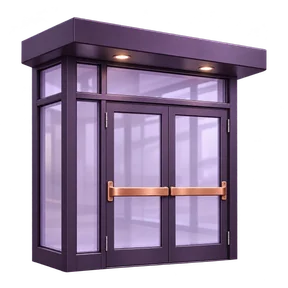
Identify the door and what needs to work today
Call LockReach Locksmith Whittier with the door that is affecting your business. For a storefront in Uptown near Greenleaf Avenue and Philadelphia Street, the public door and the delivery entrance may be on different sides of the building. Give the suite number and the entrance you are talking about. Tell us if the staff can still open up, if customers are using another entrance or if the door is closing but no longer latching. That gives the work a practical priority.
If the latch does not hold every time, say when it fails. The symptom may show up when a crowd uses the door or late in the day after repeated deliveries. A key that binds, a handle that stays down and a door that slams all describe different behavior. Mention any recent painting, floor work or impact. If a problem affects an exit customers or staff need, tell us about that on the first call so the work can be planned around safe access.
Map access by role before ordering keys
Write down who needs to open the business, who closes it and who only needs access while someone else is present. A shift lead might need the front door and a supply room, while a regular delivery needs only one service entrance. Writing the roles beside the doors helps you decide whether to share a key or keep the openings separate. If a former employee returned a key, mention whether there are other copies you cannot account for.
Ask whether a rekey can accomplish the change with the existing hardware. When several locks are involved, make a list of the ones to change and the ones staff should keep using as they do now. A key that works only at the shop can be distributed differently from one that also opens a common corridor. Decide who will sign for copies and who will store any spare before they are cut. A straightforward key list gives the next manager something concrete to work with.
Account for the landlord and neighboring tenants
If you lease the space, find out which openings the landlord controls and which belong to the business. A lock between the suite and the sidewalk may be handled differently from a shared lobby or rear service gate. Ask the property manager whether vendors need access through a common entrance and whether a change requires them to receive a copy. Have the person who can approve the work available at the agreed time, especially if the affected door is used by multiple tenants.
Shared parking and deliveries can also affect where to meet. Along a commercial corridor like Whittier Boulevard, a street address may lead to the storefront while the service door faces a shared lot. If the truck lane is busy at a regular hour, mention it when choosing a visit. Explain which door can stay in use while the other is being checked, and who can let someone in if the suite is closed during the work.
Look at how the door closes and opens under normal use
A replacement lock may be part of the answer, but the door and frame also have to meet in the right place. Tell us how the door behaves when it closes on its own. If the latch works only when someone pulls the door firmly, ask to have the latch alignment and closing hardware checked together. If a door started rubbing after it was struck, share where the impact was and whether the symptom has become more frequent.
Some doors have release hardware people depend on when leaving the building. Describe any push bar or powered access control on the door and what it does when someone tries to exit. If you are changing the opening hardware as part of a remodel, discuss the use of the space with your building contact so the scope can account for access and exit requirements. Start with how the door is used during a normal day, including deliveries and closing time. That gives a clearer brief for evaluating what should stay and what needs work.
Plan who will manage access after the visit
If you issue numbered keys, keep the address in your private inventory. Staff can identify the key they need to return without carrying a tag with the business address.
For a business with predictable turnover, a keypad might help a manager change access without collecting every key. Before choosing one, decide who should manage the codes, how a temporary code would be issued and what you will do if that manager is away. Ask how the lock will be used when power is interrupted or batteries need attention. A private supply door and a public entrance have different needs, so discuss both before ordering the same device for every opening.
Physical keys can be a good fit when you have a small team and know who has each copy. Keep a record with the role and the door, then set a time to collect the keys when someone leaves. If you are coordinating access with cleaners or maintenance, make sure the arrangement works outside the hours the manager is normally on site. Who is responsible for opening the door is as important as which lock you choose.
Review the scope around business hours
Before approving the estimate, confirm which doors, keys and parts it covers. If one door needs immediate attention and another is a planned improvement, ask to see those as distinct pieces of work. Talk about when the door can be taken out of use and where customers or staff should go during that time. If work is scheduled around a delivery or a change of shift, let the people who use the opening know who will be on site.
Before the visit ends, have someone who normally opens or closes the shop try the door. Check the key from each side where it is used and confirm the latch catches at an ordinary close. If different staff members received different keys, test the doors those keys are supposed to open before handing them out. On your call, give the business address, the exact entrance and the person who can make decisions about the work. That keeps the visit focused on getting the opening useful again.
Common questions
Can we change access for one door only?
Often, when the opening has its own lock and you can authorize the change. Check which keys are shared before deciding.
What should we say about a door that slams or will not latch?
Describe its normal closing motion and where it stops. Include whether the latch catches with gentle pressure and how the door is used.