
Tell us what the door did on the last trip
When you call LockReach Locksmith Whittier for garage door repair, describe the movement you saw before it stopped. A door that came down almost all the way and went back up gives a different starting point from one that lifted a few inches and stayed there. If the opener ran or its lights reacted, include that too. The sequence is more useful than a guess about the part.
A noisy opening can change gradually over a week, or something can fail between one use and the next. Tell us whether the previous trip looked normal. If the door dropped, sits crooked or looks damaged, leave it out of use and keep people clear. You can describe what you already saw without trying to run the opener again.
The door and the opener serve different roles
The opener moves the door. The rest of the system affects how smoothly the opening travels and how its weight is supported. The motor can make a familiar sound even when the door is hard to move. A remote can also fail even if the door works from a wall control. Those are useful distinctions to bring to a repair call.
If controls behaved differently before the problem, mention which ones still responded at the time. For a keypad that stopped after a change, tell us when you last used it successfully. For a door that reversed while moving down, describe where it changed direction and what you could see near the opening. Ask what the inspection established before deciding that a control or motor needs replacement.
If you think a spring or cable is damaged, stay clear of the opening. Components under tension need to be assessed by someone equipped to handle them. Tell us whether the door remains straight or one side sits below the other, and whether it stopped after a sharp sound. You don’t need to touch hardware to give that description.
Give the route to the garage, not just to the house
Around Whittier Boulevard, or near the Greenway Trail at Mills Avenue and Lambert Road, tell us which driveway leads to the opening. A separate garage can face a side street even when the front address is easy to find. If the approach is shared or parking in front of the opening would block another resident, describe where someone can meet you instead.
Tell us whether the garage is your ordinary way into the house or the only way to reach a vehicle. If a second door is still usable, specify which one failed from the point of view of someone standing in the driveway. A household member coming back later may need the same directions, especially if both buttons look alike and each is assigned to a different bay.
For an occupied rental or shared property, ask who is allowed to authorize work on the opening. Give the technician the unit and garage number if those are different. If one person noticed the fault and another person will meet the technician, share the symptom in writing. It will be easier to connect the estimate to what actually went wrong.
Separate a mark on the door from how it travels
If something struck the door, indicate which section was hit and where the door is now sitting. A small mark on one panel and a door angled in the opening can lead to different work. The technician can check whether the issue involves the section, the supporting hardware or the way the door moves. Leave a visibly damaged door alone while you arrange the visit.
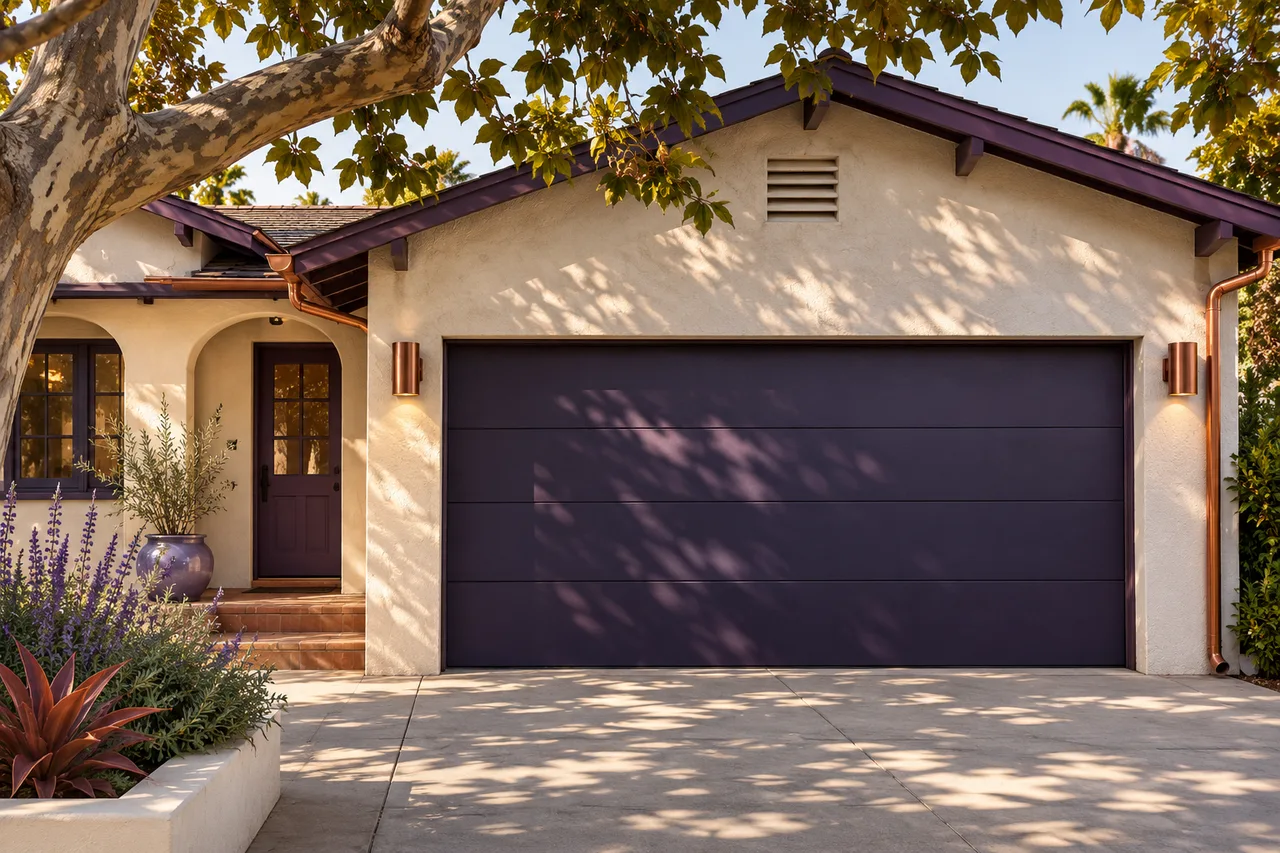
If appearance matters because the finish matches the rest of the house, ask what would remain visible after a repair. A compatible section may depend on the style, material and age of the door. Ask about that after you understand what the door needs in order to travel properly. Choosing a compatible part and deciding whether to keep the existing look are both worth discussing.
Make the estimate answer the original problem
Ask what the visit would address and which parts and labor are included. If the quote includes an opener and work on the door, ask which observation supports each item. A short explanation in everyday language will tell you whether both jobs relate to the original symptom, or whether one is a separate decision.
If you’re comparing a repair and replacement, bring up how people actually use the opening. Someone who parks there every evening might depend on a remote and an outside keypad. Another household may care about the sound below a bedroom. Ask which controls can stay in use and what would need to change. A quote is easier to compare when you understand the everyday result of the work.
When a part must be ordered, ask how the garage should be left and whether anything you need inside can be reached another way. Say who needs access during the wait and who will be home for a return visit. Those details are useful in a household that relies on the garage for the next workday or for a shared vehicle.
If a second person is reviewing the estimate, write down the symptom you described and what the technician found on the door. A quote for the controls and a quote for hardware can sound very similar to someone who wasn’t there. Listing each proposed item with the condition it addresses helps the household make a decision and gives you a clearer record if the same symptom returns later.
Before using it again, ask what was checked
When work is complete, ask what the technician checked about the door’s travel and the controls you normally use. If the issue was intermittent, describe the symptom again and ask how you’ll know that condition was addressed. When a different person first uses the door afterward, tell them what work was done and which controls are ready to use.
Keep the name or model of the opener with the paperwork if it is available. It can help someone who was away for the visit describe the setup the next time a remote stops responding. If only one bay was repaired, identify that bay clearly so everybody is using the right button.
If all you know when you call is that the door stopped, give the address, whether it is up or down, and the last sound or movement you noticed. That is enough to start. You can also use the garage door repair FAQ to prepare for a call about the opener, a damaged section or an estimate.
Common questions
What if I heard a bang and the door looks crooked?
Leave it out of use and keep the opening clear. Tell us where it stopped and whether a vehicle is inside.
What if the wall button worked when the remote didn’t?
Mention which controls responded and when. An issue with one control can be different from a door that doesn’t move on any command.
Can I ask about replacing just the opener?
Yes. Ask what the inspection shows about the condition and travel of the door and which controls can stay.